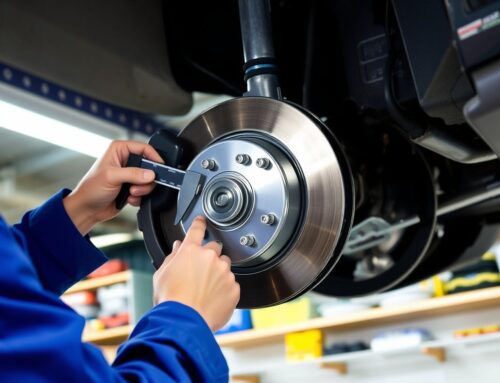
Selling your car can seem scary, but with the right steps, it can be easy and profitable. Did you know keeping your car in good shape can really boost its value? A car maintenance checklist can help a lot.
By following Essential Car Maintenance Tips, you make your car more attractive to buyers. This way, you can sell it for the best price.
We know selling your car can feel overwhelming. But we’re here to make it easy for you. Get your car ready and collect all the important papers. This will help you sell your car successfully.
Key Takeaways
- Regular maintenance is key to increasing your car’s resale value.
- A well-maintained vehicle attracts more buyers.
- Gathering necessary documents streamlines the selling process.
- Proper preparation enhances your car’s appeal.
- Being open about your car’s condition builds trust with buyers.
Understanding the Market and Your Vehicle’s Value
To sell your car well, you must know its value today. It’s important to understand the market trends and your car’s worth. This helps set a price that draws in buyers. We suggest a detailed method to figure out your car’s value.
Researching Current Market Trends
Staying current with the automotive industry is key. You need to know what types of cars are in demand. Also, watch for new models and changes in what people want. This helps you see where your car stands in the market.
Using Online Valuation Tools
Online tools make it easy to guess your car’s value. They ask for your car’s details like make, model, and condition. Then, they give a value based on your input and market data. Sites like those from automotive research companies are good for this.
Comparing Similar Vehicles
Comparing your car to others is a smart move. Look for cars with the same specs and condition. Check online or visit dealerships to find these. This way, you can price your car competitively.
By following these steps, you’ll understand your car’s value and the market. This knowledge helps you make smart choices when selling your car.
Preparing Your Car for Sale
To sell your car for the best price, preparation is essential. We’ll show you how to get your vehicle ready for sale. This way, you’ll get the highest value for it.
Cleaning and Detailing Your Car
A clean car impresses buyers right away. Here are some DIY car maintenance tips to make your car shine:
- Wash and wax the exterior to remove dirt and protect the paint.
- Vacuum and clean the interior, including the dashboard, seats, and carpets.
- Use a detailing spray to remove any stubborn stains or odors.
Making Necessary Repairs
Fixing any needed repairs can boost your car’s value. Here’s what to do:
- Check for any signs of wear and tear, such as worn-out tires or broken lights.
- Fix any minor issues, like loose trim or faulty wipers.
- Consider getting a pre-sale inspection to identify any problems.
Gathering Important Documents
Having all the right documents ready makes selling easier. Make sure you have:
- The car’s title and registration.
- Service records and any repair receipts.
- Any warranties or guarantees that are valid.
By following these steps, you’ll present your car in its best shape. This will attract more buyers.
Choosing the Right Selling Method

Starting your car selling journey means knowing your options. We suggest looking at each method’s pros and cons. This way, you can get the best price and avoid trouble.
Private Sale vs. Trade-In
Selling your car privately might get you a better price than trading it in. But, it takes more work and time. Trading it in at a dealership is quicker and easier, but you might not get as much money. To get the most from a private sale, keep your car in top shape.
- Private sales allow for price negotiation.
- Trade-ins are faster and more straightforward.
Selling to a Dealer
Selling your car to a dealer is another good choice. Dealerships offer a quick and easy process, but their offers might be lower. They look for cars in good condition, so make sure yours is well-maintained.
Auction and Online Platforms
Using auction or online platforms can show your car to more people, possibly getting you a better price. But, these options have fees and need careful handling. Show off your car’s best points and maintenance history to draw more interest.
Choosing the right way to sell and keeping your car in great shape is key to a successful sale. Whether you sell privately, trade it in, or use an online platform, being well-informed and ready is essential.
Setting the Right Price
The key to selling your car quickly is setting the right price. This task needs careful thought about several factors. Pricing your car correctly is key to attracting buyers and making the sale smooth.
To find the ideal price, we must look at a few important things. First, we need to honestly evaluate your vehicle’s condition. This means checking the outside and inside, and any mechanical problems.
Evaluating Your Vehicle’s Condition
Checking your vehicle’s condition involves looking for damage, needed repairs, and maintenance history. Here are some things to consider:
- The car’s exterior and interior condition, including any scratches or dents
- The engine’s performance and any needed repairs
- The condition of the tires, brakes, and suspension
- Any additional features or upgrades
By looking at these factors, you can understand your vehicle’s condition and its value.
Considering Market Demand
It’s important to know the current market demand when setting your price. We recommend researching your car’s demand and similar prices in your area.
Market demand changes due to season, economy, and consumer tastes. Knowing these trends helps you adjust your price.
Pricing Competitively
Setting a competitive price is key to drawing in buyers. We suggest comparing your car’s price to similar ones in your area and adjust as needed.
To price well, consider these strategies:
- Research online listings and local dealerships to understand the going rate for your vehicle
- Adjust your price based on your car’s condition and features compared to others
- Be ready to negotiate, but start with a competitive price to attract serious buyers
By evaluating your car’s condition, understanding market demand, and pricing competitively, you can set a price that’s realistic and appealing to buyers.
Crafting an Attractive Listing
Your listing is often the first impression buyers have of your car. It’s key to make it count. A well-crafted listing showcases your vehicle’s best features and stands out in a crowded market.
Writing a Compelling Description
To write a compelling description, start by highlighting your car’s best features. Include details like the vehicle’s condition, recent maintenance or upgrades, and its history. For example, mentioning Essential Car Maintenance Tips can reassure buyers about the car’s reliability.
- Mention any unique features or recent repairs.
- Be honest about the car’s condition to build trust.
- Include information about any remaining warranty or maintenance records.
Taking High-Quality Photos
High-quality photos are essential for making a good first impression. Take clear, well-lit photos of your car from multiple angles, including the interior and any notable features. Here are some tips for taking photos:
- Use natural light to avoid harsh shadows.
- Capture photos from different angles to show the car’s condition.
- Include photos of the dashboard, seats, and any other relevant interior features.
Highlighting Unique Features
Every car has something that sets it apart. Whether it’s a unique color, a powerful engine, or advanced safety features, highlighting these aspects can attract more buyers. We recommend making a list of your car’s unique features and ensuring they are prominently mentioned in your listing.
- Identify what makes your car different.
- Emphasize these features in your description and photos.
- Use strong> tags to draw attention to these unique selling points.
Promoting Your Car Effectively
In a crowded car market, standing out is key. To attract buyers and sell your car fast, use a mix of strategies. These should boost visibility and appeal.
Utilizing Social Media
Social media is a strong tool for promoting your car. Create a detailed listing with great photos and descriptions. Use Facebook, Twitter, and Instagram to show off your car’s best features. Include the car’s condition, mileage, and any recent maintenance or repairs, like those in a car maintenance checklist.
Listing on Multiple Platforms
List your car on many platforms to increase visibility. This includes online marketplaces like Autotrader, Cars.com, and local classifieds. Each platform has its own audience, so tailor your listing. Make sure your listing is accurate, detailed, and has high-quality photos to attract serious buyers.
Word of Mouth and Local Advertising
Word of mouth and local ads are also effective. Tell friends, family, and colleagues your car is for sale. Use local newspapers, community boards, and car enthusiast groups to reach buyers in your area. This personal touch can attract buyers who are really interested in your vehicle.
By using these strategies, you can promote your car well and attract buyers. The key is to be thorough, detailed, and proactive in your promotional efforts.
Handling Potencial Buyers
When selling your car, dealing with buyers is key. You need to be quick, clear, and ready. This approach can really help you sell your car.
Responding to Inquiries Promptly
Quickly answering questions is important. Fast responses show you’re serious and build trust. Here’s how to do it right:
- Always check your messages, like emails and calls.
- Have a quick answer for common questions.
- Be clear and give all the info needed.
Scheduling Test Drives
Test drives are a big part of buying a car. They let buyers see the car for themselves. Here’s how to make test drives work:
- Make sure your car is clean and in good shape.
- Be there to answer questions and talk about the car’s features.
- Choose a safe and easy spot for the test drive.
Being Transparent About the Vehicle
Being open is important when selling a car. Telling the truth can avoid problems later. Here’s what to do:
- Tell about any problems or defects.
- Share maintenance and repair records.
- Be honest about the car’s past, including accidents or big fixes.
By following these tips, you can handle buyers well. This makes selling your car easier and less stressful.
Negotiating the Sale
Negotiation is key when selling your car. With regular maintenance, you’re off to a strong start. This can help you get a better deal.
Understanding Common Negotiation Tactics
There are many negotiation tactics out there. Knowing them can help you prepare. Some buyers might start with low offers, while others compare prices.
- Be ready to talk about your car’s condition and history.
- Point out any recent maintenance or repairs.
- Keep your cool and be professional.
Setting a Bottom Line
It’s important to set a minimum price you’ll accept. Think about your car’s market value, its condition, and your asking price.
Tips for setting a bottom line:
- Do your research to know your car’s value.
- Consider getting an appraisal.
- Be realistic about your car’s worth.
Finalizing Terms of Sale
After agreeing on a price, finalize the sale terms. Talk about payment, fees, and the transfer process. Make sure everything is in writing.
Understanding negotiation tactics and setting a fair price can help you sell your car well. Remember, your car’s maintenance has added value. Be sure to mention this during negotiations.
Completing the Sale Process

Completing the sale process involves several key steps. These steps ensure a smooth transfer of ownership. After negotiating the sale, it’s important to finalize the transaction quickly to avoid any last-minute problems.
Drafting a Bill of Sale
A bill of sale is a critical document. It proves the transaction happened. It should include important details like:
- The vehicle’s make, model, and VIN
- The sale price
- The date of sale
- The names and signatures of both the buyer and seller
Drafting a clear and detailed bill of sale protects both parties. It helps prevent any disputes.
Handling Payment Securely
Handling the payment securely is key to avoid financial risks. We suggest:
- Using a secure payment method like a cashier’s check or an escrow service
- Avoiding cash transactions whenever possible
- Verifying the payment before transferring the vehicle’s ownership
By taking these precautions, you can ensure a safe and smooth transaction.
Transferring Title and Registration
The final step is transferring the title and registration to the new owner. This involves:
- Filling out the title transfer form
- Submitting the required documents to your state’s DMV
- Notifying your state’s DMV of the sale to update the records
It’s important to follow your state’s specific procedures for title transfer. This ensures a seamless process.
By following these steps, you can complete the sale process efficiently. This ensures a smooth transition for both you and the buyer. Our team is committed to helping you through every step of selling your car. We aim to make the process as hassle-free as possible.
Post-Sale Considerations
After selling your vehicle, there are key steps to take. Make sure to cancel your insurance and registration. This avoids extra costs and problems.
Notification and Updates
Let your insurance company know about the sale. Also, update your registration to reflect the change. This prevents any future issues with the vehicle.
Reflecting on the Experience
Think about your selling journey. Consider how car care tips helped your car’s sale. You might also want to leave a review for the buyer, if possible. This helps others in the future.
By following these steps and keeping up with car care, you’ll end the sale smoothly. Our team is ready to help with any extra steps or questions. We aim for a stress-free experience for you.